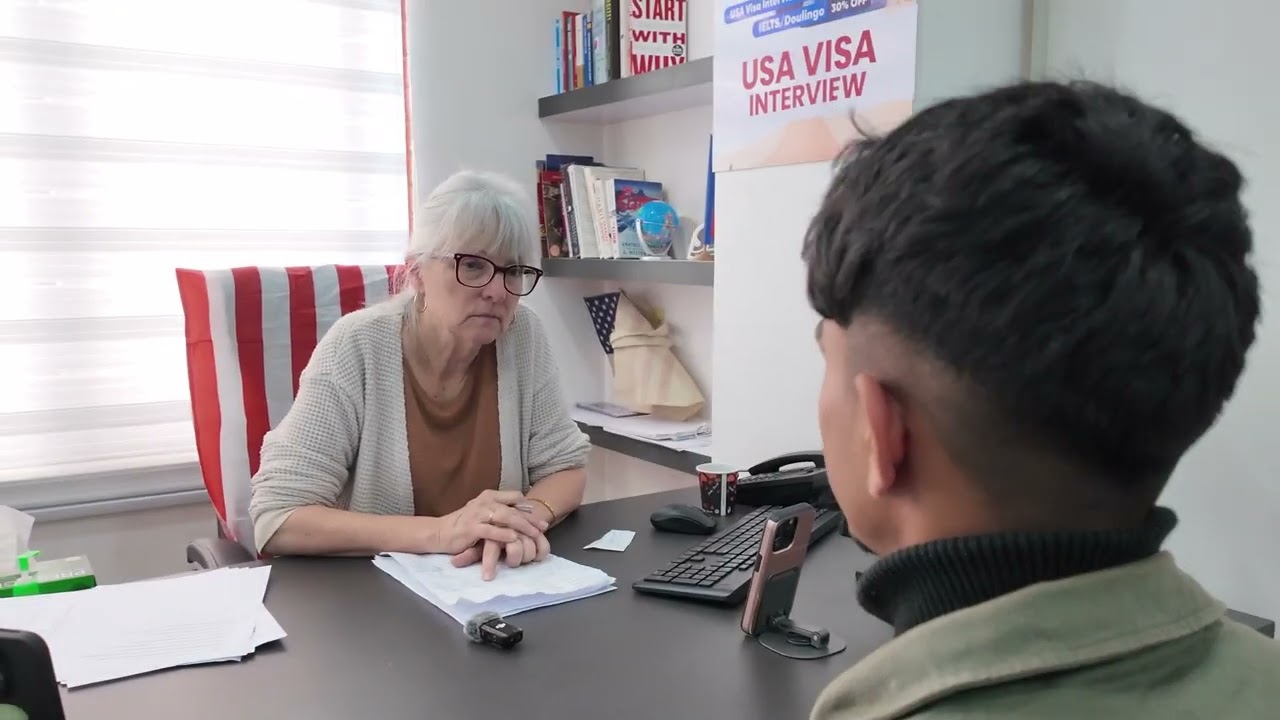
The admission screening process for US universities is thorough. It’s how colleges decide if you’re a good fit. To pass this screening, you need to provide a complete and accurate set of documents. Missing or incorrect paperwork is one of the biggest reasons applications are delayed or denied. Knowing exactly what you need for USA admission screening, and preparing it early, is your first major step toward acceptance.
This checklist covers everything admissions officers and visa officials will review. Think of it as building your application portfolio. Each document tells a part of your story—your academic ability, your personal character, and your preparedness to study in the United States.
The Core Academic Documents
Your academic records are the foundation of your application. They provide proof of your past performance and predict your future success in a challenging US academic environment. These documents must be official and verifiable.
Start requesting these documents months before application deadlines. Schools and testing agencies can be slow, and you may need time for translations or evaluations.
Official Transcripts and School Leaving Certificates
You must submit official transcripts from every secondary school (high school) and university you have attended. “Official” means they are sent directly by your school in a sealed envelope or through a secure digital service like Parchment or Naviance. A photocopy or a student-uploaded scan is often not enough for the final, official admission.
For students following national curricula (like WAEC, A-Levels, IB), you also need your official certificate or statement of results. Many US universities require a course-by-course evaluation from an agency like WES or ECE for international transcripts. This service translates your grades into the US GPA system and verifies their authenticity.
Standardized Test Scores: SAT/ACT and English Proficiency
While many schools are “test-optional” for the SAT/ACT, strong scores can strengthen your application. You must arrange for the official score reports to be sent directly to your universities from the testing agency (College Board for SAT, ACT Inc. for ACT). Self-reporting on the application is common, but official reports are required for verification.
For non-native English speakers, proof of English proficiency is mandatory. This means official scores from the TOEFL iBT (typically 80+), IELTS Academic (typically 6.5+), or Duolingo English Test (typically 115+). Each university sets its own minimum score. Like with the SAT, you must have the testing agency send official scores.
Personal Application Materials
These documents show who you are beyond your grades. They allow the admissions committee to hear your voice, understand your motivations, and see your potential through the eyes of others.
This is your chance to stand out. These materials should be authentic, thoughtful, and tailored to each university.
The Personal Essay and Statements of Purpose
The personal essay (or Common App essay) is a central component. It’s your main opportunity to share your unique story, perspective, and character. Prompts often ask about personal growth, challenges overcome, or your intellectual interests.
Many graduate programs and some undergraduate programs require a Statement of Purpose (SOP). This is more academically focused, explaining your specific interest in the field, your preparation, your career goals, and why you are a perfect fit for that particular program and university.
Letters of Recommendation (LORs)
Strong letters of recommendation provide a trusted, third-party endorsement of your abilities and character. Most universities require 2-3 letters.
For undergraduates, these should ideally come from core subject teachers (Math, Science, English, History) who taught you in your junior or senior year. For graduate students, letters from professors or research supervisors are crucial. Provide your recommenders with your resume, a draft of your SOP, and the deadline well in advance—at least one month.
Resume / Curriculum Vitae (CV)
A well-organized resume is required for graduate applications and is highly recommended for undergraduates. It should clearly list your education, work experience, research projects, publications, presentations, honors, awards, and relevant skills.
For undergraduates, focus on extracurricular activities, leadership roles, volunteer work, and summer programs. This document gives a quick, comprehensive overview of your achievements.
Financial Proof & Identity Documents
This set of documents is critical for both admission and, more importantly, for obtaining your student visa (F-1). US law requires universities to ensure admitted international students have the financial resources to pay for their education and living expenses.
Without clear proof of funds, a university cannot issue the I-20 form, and the US consulate will not grant a visa.
Certificate of Finance and Bank Statements
Almost every US university requires a Certificate of Finance (CF) form or a Financial Affidavit. This is a document you and your sponsor (e.g., parents) sign, declaring you have sufficient funds for the first year of study.
You must support this form with official bank statements or letters from the last 3-6 months. The balance should meet or exceed the total “Cost of Attendance” listed by the university. The documents must be in English or have a certified translation. Large, recent deposits without explanation can raise red flags.
Copy of Passport and Photographs
You will need a clear, color scanned copy of the biographical page of your passport. This is required to issue your I-20 and for your university application records. Ensure your passport is valid for at least six months beyond your intended date of entry to the US.
You will also need several recent, passport-sized photographs with a white background for your visa application and potentially for university ID cards.
The Final Stages: Form I-20 and Visa Documents
Once you are admitted and have submitted proof of finances, the university will issue the Form I-20, “Certificate of Eligibility for Nonimmigrant Student Status.” This is the key document for your visa application.
The final screening happens at the US embassy or consulate during your visa interview. You must bring a specific set of originals.
Form I-20 and SEVIS Fee Receipt
You must receive the original Form I-20 from your university (mailed or express delivery). Review it carefully—all information must be 100% accurate. You will need this original for your visa interview and when you enter the US.
After receiving the I-20, you must pay the SEVIS I-901 fee (currently $350) online and print the receipt. You cannot schedule a visa interview without paying this fee.
Documents for the F-1 Visa Interview
For your visa interview, bring originals (plus one photocopy) of everything:
- Valid Passport
- Form I-20 (signed by you)
- SEVIS Fee Payment Receipt
- Visa Application (DS-160) Confirmation Page
- Visa Interview Appointment Letter
- Original financial documents (bank statements, sponsor letters, tax returns) used for the I-20.
- All original academic documents (transcripts, diplomas, standardised test scores).
- Admission letter from the university.
Be prepared to explain your academic plans and your ties to your home country concisely and confidently.
People Also Ask
What if my documents are not in English?
You must provide both the original document and a complete, certified English translation. The translation should be done by a professional translation service or an official translator, who must attest that it is an accurate translation of the original.
How early should I start collecting these documents?
Start at least 6-8 months before your first application deadline. Request transcripts, ask for recommendations, schedule English proficiency tests, and begin gathering financial statements. The evaluation of transcripts can take 1-2 months alone.
Do I need to submit all documents at the same time?
No. For the initial application, you often upload scanned copies. However, official transcripts and test scores must be sent directly by the issuing institution/agency later. Financial documents are usually submitted after admission to receive the I-20.
What is the difference between “official” and “unofficial” transcripts?
An unofficial transcript is a copy you upload yourself. An official transcript is sent directly from your school in a sealed envelope or via a secure electronic service. Universities require official transcripts to finalize admission and enrollment.
Can I use a joint bank account for financial proof?
Yes, but the account holder (likely your parent) must complete the Affidavit of Support. The bank statement should clearly show the account holder’s name. You may also need a letter from the account holder confirming they will sponsor your education.