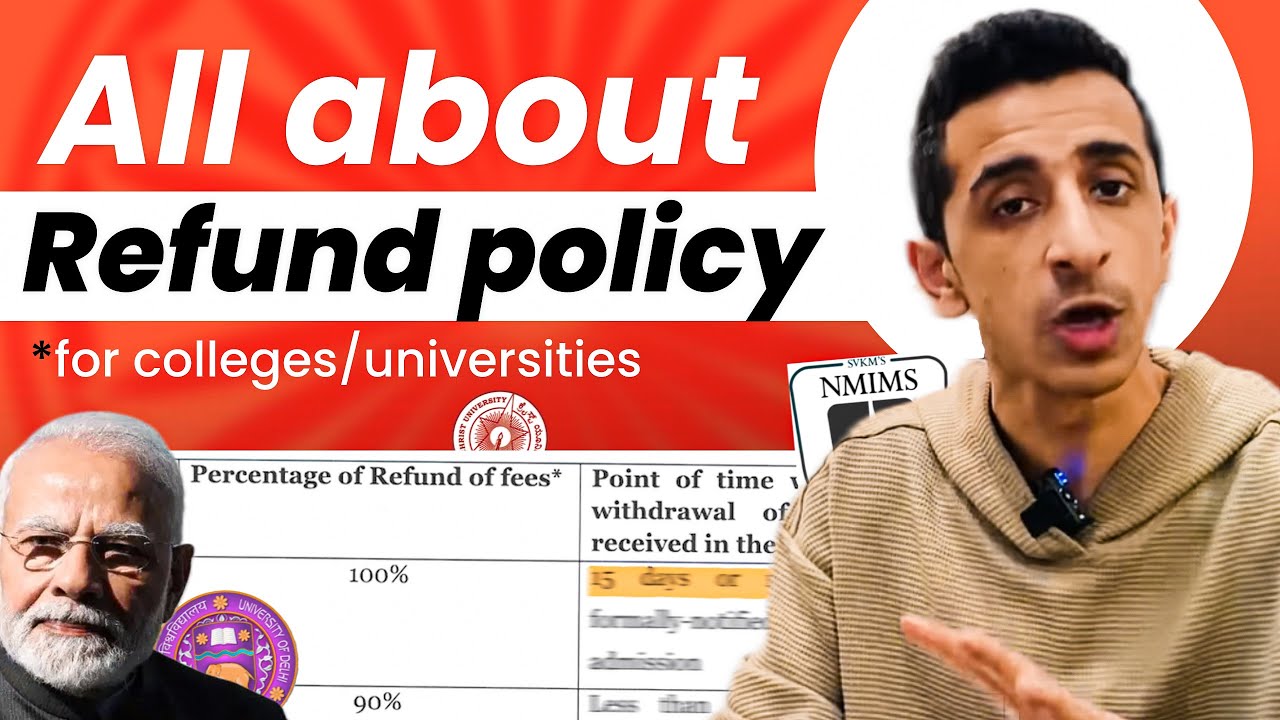
Starting college in the United States is a big and exciting step. You get your acceptance letter, you’re packing your bags, and then… you see the bill. College is expensive! But what happens if your plans change? What if you get sick, have a family emergency, or decide the school isn’t the right fit for you after a few weeks?
That’s where university fee refund policies come in. Think of it like a return policy for a big purchase, but for your classes. This article will explain everything you need to know about how refunds work in U.S. colleges, using simple language.
What Are You Actually Paying For?
First, let’s break down what’s in that big college bill (often called a “tuition and fees” statement):
- Tuition: This is the core price for your classes and instruction. It’s the biggest chunk of the bill.
- Fees: These are extra charges for specific things like the library, gym, student activities, and technology.
- Room and Board: This is the cost for your dorm room and your meal plan.
- Other Costs: Books, health insurance, and parking passes.
Important: Refund policies are mainly for tuition and mandatory fees, and sometimes room and board. They usually don’t cover things like books or plane tickets you’ve already bought.
The Golden Rule of Refunds: Timing is Everything!
The most important thing to remember is that WHEN you decide to leave or drop a class is the #1 factor in getting a refund. It’s not about why you leave, but when.
Colleges use a timeline based on their academic calendar. This calendar is divided into:
- The Add/Drop Period (sometimes called the “Schedule Adjustment” period).
- And then the rest of the semester (which is about 15-16 weeks long).
Here’s the basic refund timeline that most colleges follow:
Phase 1: The 100% Refund Window (Add/Drop Period)
- What it is: This is a short period at the very beginning of each semester. It usually lasts for the first week or two of classes.
- What happens: If you drop a class (or all your classes) during this time, you will usually get 100% of your tuition and fees back. It’s like you were never even enrolled.
- This is the safest time to make changes to your schedule without losing money.
Phase 2: The Partial Refund Period
- What it is: This period happens right after the Add/Drop period ends. It might last for the 3rd, 4th, and sometimes 5th week of the semester.
- What happens: Refunds are not 100% anymore. They are based on a sliding scale or percentage.
- Example: If you withdraw in the 3rd week, you might get back 75% of your tuition. In the 4th week, it might drop to 50%. In the 5th week, it might be 25%.
- Each college has its own specific percentage and dates. You must check their official calendar.
Phase 3: The No Refund Point
- What it is: This is a specific date, usually around the middle of the semester (after the 6th week or so).
- What happens: If you withdraw from classes after this date, you get NO money back for that semester. You are still responsible for paying the full bill, even if you aren’t attending classes anymore.
- Why? The college holds your spot in the class, and the professor has done the work of teaching and grading up to that point. The college considers the money earned.
Different Types of Withdrawal – Which One Are You Doing?
The word “withdraw” can mean different things, and it affects your refund and your records.
- Dropping a Class: This means you remove one class from your schedule but stay enrolled in your other classes. You might get a refund for that one class if it’s during the refund periods.
- Withdrawing from All Classes: This means you are leaving ALL your classes for the semester. This is when the full refund policy applies to your entire bill.
- Taking a Medical Leave: If you have a serious illness or injury, you might qualify for a medical withdrawal. Sometimes, with a doctor’s note, colleges might give a better refund or credit for a future semester, even after the “No Refund” date.
- Taking a Leave of Absence: This is a planned break from school (for travel, work, or personal reasons). You usually arrange this before the semester starts, so you don’t get charged at all.
The Refund Process: How Do You Actually Get Your Money Back?
Getting a refund doesn’t happen automatically. You have to take the right steps:
- OFFICIALLY WITHDRAW. This is the biggest mistake students make! Simply stopping going to class does NOT mean you are withdrawn. You will get failing grades (“F”s) on your record and still owe the full tuition.
- How to Officially Withdraw: You must fill out a form, usually from the Registrar’s Office or the Bursar’s Office. Sometimes you can do it online through your student portal. You may also need to speak with your academic advisor or a financial aid officer.
- The College Calculates Your Refund. Based on the date they receive your official form, they will apply their refund policy percentages.
- Financial Aid is Handled First. Here’s a CRITICAL point: If you received grants, scholarships, or loans, the college gives the refund money back to those programs first.
- Example: Let’s say you get a $5,000 scholarship and pay $2,000 of your own money. If you get a 50% refund, that refund money goes to pay back the scholarship fund. You might not get any cash back to your bank account. If your aid covered everything, you might not get a personal refund at all.
- You Get What’s Left. After the financial aid programs are paid back, if there is any money left over, the college will send it to you (usually by direct deposit or check).
Special Rules for Room, Board, and Other Stuff
- Room and Board (Dorm & Meal Plan): These often have their own separate refund policy. You might get money back for unused weeks, but you may also have to pay a fee for breaking your housing contract. Always check your housing agreement.
- Student Health Insurance: If you paid for the college’s health plan, you can often cancel it if you prove you have other insurance. There are strict deadlines for this.
- Books and Supplies: These are almost never refundable by the college once you buy them from the bookstore. You’d have to follow the bookstore’s own return policy.
Important Tips and Things to Watch Out For
- Read the Fine Print! The refund policy is a legal document. You can find it in your university’s catalog, on the Bursar’s or Treasurer’s Office website, or in your enrollment agreement.
- The Calendar is Your Bible. Find the official academic calendar for your school. It will have the exact dates for the Add/Drop period and the withdrawal deadlines. Circle them!
- Talk to People BEFORE You Act. Before you withdraw:
- Talk to the Financial Aid Office. They will explain exactly how it will affect your aid now and in the future.
- Talk to the Bursar’s Office (the money office). They can calculate an estimate of what you might owe or get back.
- Talk to your Academic Advisor. They can discuss how a withdrawal affects your grades and your path to graduation.
- Military Service & Major Emergencies: Colleges often have special, more forgiving refund policies for students called up for military service or affected by major natural disasters.
What If You Have a Really Good Reason? (Appealing the Policy)
Sometimes, life throws a huge, unexpected problem at you—a severe illness, a death in the immediate family, a terrible accident. If this happens after the “No Refund” date, all hope is not lost.
You can file something called a Tuition Appeal or Petition for Exception.
- What it is: A formal request asking the college to make an exception to their refund policy because of your special circumstances.
- What you need: Strong proof. This means official documents like a doctor’s letter, a hospital bill, a death certificate, or a police report.
- How it works: You write a letter explaining what happened, attach your proof, and submit it to a committee. They will review it and decide if your case is serious enough to grant a partial or full refund as an exception.
Conclusion: Be Smart, Be Informed
University refund policies can seem complicated, but they are just a set of rules. The key takeaways are:
- The deadline is king. Know your add/drop and withdrawal dates.
- Quitting class is not withdrawing. You must do the official paperwork.
- Financial aid complicates things. The refund often goes to pay back your grants and loans first.
- When in doubt, ASK. College offices are there to help you understand.
Paying for college is a huge responsibility. By understanding the refund rules from the start, you can make smarter decisions and avoid unexpected bills. Treat your college’s refund policy like the most important syllabus you get—read it carefully, know its deadlines, and you’ll be in control of your education and your money.


